9+ curated guides • Updated September 2025
You've searched for a celebrity's phone number, but have you ever considered the multi-million dollar world of digital fortresses built to stop you? The real story isn't about finding a number—it's about the incredible, high-stakes tech and human intelligence designed to make it impossible. This isn't about protecting against prank calls; it's a sophisticated defense against financial ruin, stalking, and the total hijacking of a digital identity. We're pulling back the curtain on the world of burner ecosystems, custom-hardened 'black-box' phones, and the human firewalls paid to keep the most famous people on earth digitally invisible.
Look back at the bags of 2022. They weren't just accessories; they were a cultural barometer measuring our collective mood. From the impractical fantasy of the micro-bag to the survivalist-chic of the oversized tote, each trend told a story about a world grappling with newfound freedom and lingering anxiety. These objects, slung over our shoulders and clutched in our hands, were the most honest storytellers of the era. They were vessels not just for our keys and wallets, but for our conflicting desires to either escape the weight of the recent past or carry its lessons with us, girded for the future. In this analysis, we will unpack the semiotics of these trends to decode the silent dialogue they conducted about who we were and who we wanted to become.
You've seen them all over your feed: the puffy nylon totes, the crystal-encrusted clutches, the Y2K-revival shoulder bags. But while everyone else is telling you what to buy, we're here to tell you what to avoid. We're dissecting 2022's biggest bag trends to reveal which 'must-haves' are destined for the back of the closet by 2023. Think of us as your portfolio manager, but for your wardrobe. Our goal isn't to chase fleeting highs; it's to build long-term value and protect you from the inevitable market correction of trends.
The thrill is undeniable: you upload a selfie and in seconds, an app tells you that you look like Zendaya or Ryan Gosling. But that moment of fun comes at a cost that isn't listed in the app store. Before you try to find your famous doppelgänger, let's uncover what you're actually trading for that result. These seemingly harmless apps are often sophisticated data-harvesting operations disguised as entertainment. They collect one of your most unique and unchangeable identifiers—your face—and the terms you agree to in a hurry often grant them startlingly broad rights to use it however they see fit. This isn't just about a photo; it's about the permanent digital blueprint of your identity.
It’s the viral trend that fills your feed: upload a selfie, and an app reveals your celebrity doppelgänger in seconds. But in the moment you're laughing about looking like Chris Pratt, your photo—a unique piece of your biometric identity—has been captured. We investigated what happens next, and the fine print in these apps' privacy policies is far more shocking than any celebrity match. This isn't just a game; it's a massive, unregulated data harvesting operation disguised as harmless fun, and you're the product.
We see celebrities on talk show couches and in blockbuster films, always polished and prepared. But what happens when the script is gone and the teleprompter is replaced by a lightning-fast buzzer? 'Celebrity Jeopardy!' is more than just a charity game; it's a fascinating, public X-ray of character, revealing who crumbles, who thrives, and who has the intellectual grit hiding beneath the glamour. This isn't about judging raw intelligence. It's about observing the human software running under extreme duress. The show is a controlled experiment where the variables are categories like "World Capitals" and "Potent Potables," and the results are raw, unfiltered glimpses into the celebrity psyche. Forget the rehearsed anecdotes and media training; for thirty minutes, we get to see the processing speed, the knowledge gaps, and the competitive wiring of people we thought we knew.
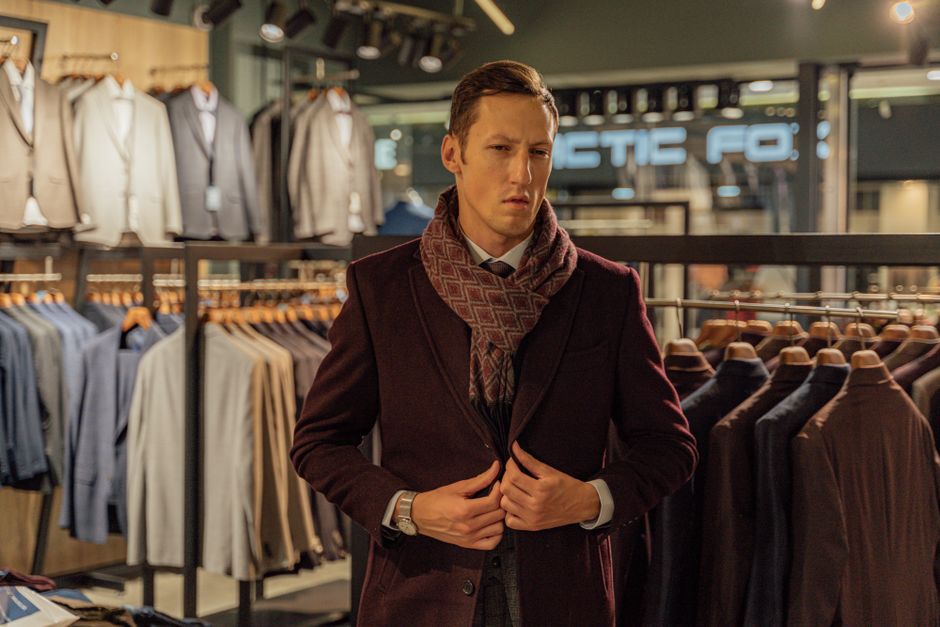
Forget the endless '10 ways to tie a scarf' tutorials. We've been thinking about scarves all wrong—as a final touch, an afterthought. This guide treats your scarf not as an accessory, but as the protagonist of your outfit, a single piece of fabric that lets you become the Parisian Minimalist, the Eccentric Artist, or the Countryside Intellectual, all in the same week. We're not just adding a pattern; we're adopting a persona. This is about using a single, powerful item to signal a shift in mindset, confidence, and character. It’s the most potent, and most overlooked, tool in your psychological style arsenal.
Everyone noticed the silver stacked on Eddie Munson's fingers—the skull, the dice, the chunky bands. But while most see a perfect heavy metal costume, they're missing the true story. Each ring is a historical artifact, a silent testament to the 1980s counter-culture rebellion that defined a generation. This isn't a shopping guide; it's an excavation. We are digging past the pop culture phenomenon to unearth the authentic, coded language of the outsider, forged in silver and defiance.
When Bad Bunny wears a skirt on late-night TV or demands the governor resign mid-concert, it's more than a headline. It's a calculated act of cultural exportation. Forget the old stereotypes; a new wave of Puerto Rican celebrities is strategically using their global platforms not just to entertain, but to broadcast the island's authentic, complex, and unapologetic soul to the world. This isn't the sanitized, crossover-friendly Latin Pop of the late '90s. This is the Boricua Blueprint: a deliberate, multi-faceted strategy for projecting a specific, nuanced, and politically aware Puerto Rican identity onto a global canvas. It’s a masterclass in leveraging fame to achieve cultural sovereignty.